
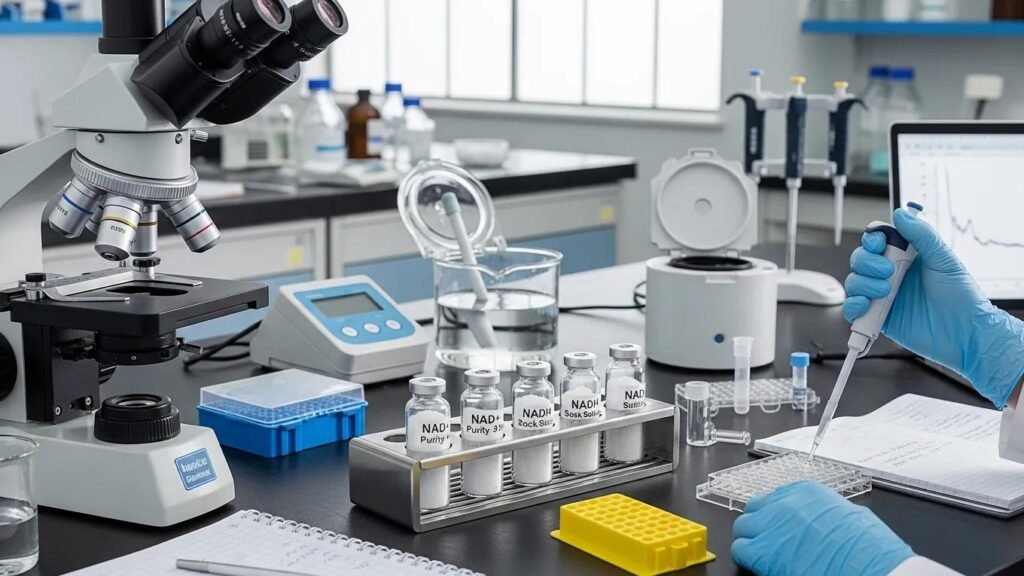
NAD+ Research Materials: High-Purity Reagents for Laboratory Applications
NAD++ (nicotinamide adenine dinucleotide) is a key coenzyme studied in energy metabolism, redox chemistry, and DNA-repair pathway research. This article summarizes what NAD+ research materials are, how purity is typically verified, and practical sourcing, handling, and storage considerations for laboratory use. All materials discussed are for research use only.
What Is NAD+ and Its Role in Research?
NAD+ is used in laboratory settings to study redox chemistry and bioenergetics. It participates in oxidation–reduction reactions connected to cellular ATP pathways and is also examined as a cofactor in signaling processes relevant to aging biology and metabolic research models. In this context, NAD+ is treated as a research reagent, not a consumer or clinical product.
Chemical Structure of NAD+
Structurally, NAD+ contains an adenine nucleotide linked to nicotinamide and ribose moieties, with phosphate groups that stabilize the molecule and mediate enzyme interactions. This architecture supports electron transfer and binding studies involving metabolic and signaling enzymes.
Significance of NAD+ in Metabolic and Molecular Biology Research
Because NAD+ participates in energy metabolism, DNA-repair enzyme pathways, and sirtuin-related research, it is used to model or measure those processes in controlled laboratory studies. Researchers use NAD+ reagents to investigate pathway-level effects in metabolic, neurodegenerative, and aging-biology models.
These applications are scientific and analytical in nature. They do not imply approved medical, therapeutic, or consumer use.
NAD+ Metabolism and its Roles in Cellular Processes During Aging
Nicotinamide adenine dinucleotide (NAD+) is a coenzyme for redox reactions, making it central to energy metabolism. NAD+ also serves as an essential cofactor for non-redox NAD+-dependent enzymes, including sirtuins, CD38, and poly(ADP-ribose) polymerases. NAD+ can directly and indirectly influence numerous key cellular functions, such as metabolic pathways, DNA repair, chromatin remodeling, cellular senescence, and immune cell function. These cellular processes and functions are critical for the maintenance of tissue and metabolic homeostasis and for healthy aging. NAD+ metabolism and its roles in cellular processes during ageing, AJ Covarrubias, 2021
The citation above is provided for educational and research-reference purposes only.
How Are High-Purity NAD+ Research Materials Prepared and Verified?
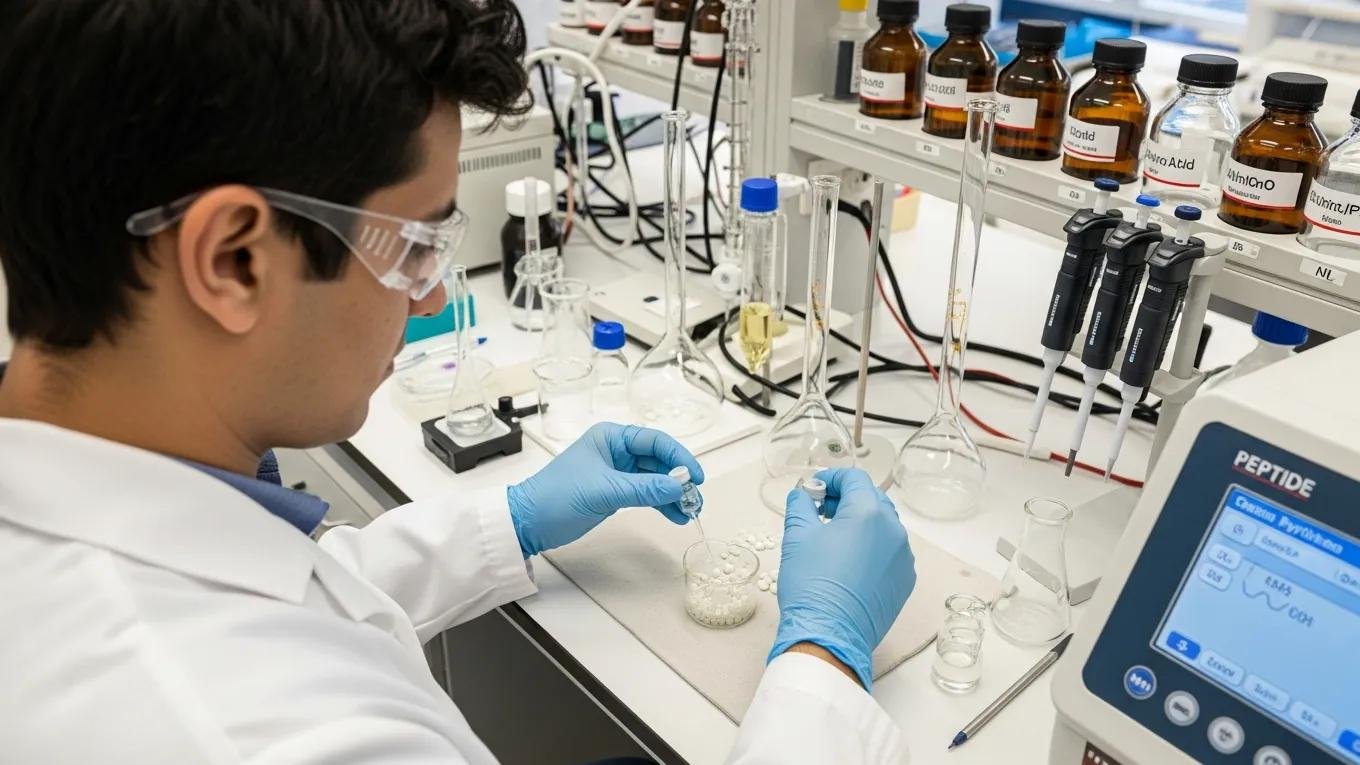
High-purity research materials are produced under controlled manufacturing workflows and then verified with analytical methods before laboratory use. For peptide research reagents generally, solid-phase peptide synthesis (SPPS) is a common production method. Regardless of manufacturing route, identity and purity confirmation remain essential for reproducible experiments.
Quality Control and Purity Standards
Analytical techniques such as high-performance liquid chromatography (HPLC) and mass spectrometry are commonly used to verify purity and identity. Suppliers should provide Certificates of Analysis (COAs) documenting these results so laboratories can confirm composition before experimental use.
Nextday Sciences LLC, through Nextday Peptides, supplies high-purity research reagents and research peptides, including NAD+ research materials, with documentation support intended for laboratory quality expectations.
Sourcing High-Purity NAD+ Research Materials
Reliable laboratory sourcing supports reproducible results. Consider supplier reputation, batch documentation, and analytical testing when evaluating NAD+ research materials. Reviewing a supplier’s research compounds catalog is a practical first step.
Selecting Suppliers with Verified Certificates of Analysis
Prioritize suppliers that provide verified COAs showing HPLC and related analytical data. These documents reduce the risk of using impure or mischaracterized materials and support traceability in experimental records. Accessing Certificates of Analysis is an important part of vendor evaluation.
Ordering and Fulfillment Considerations for Research Laboratories
Orders may be placed from catalog research materials. Confirm lead times, U.S. shipping options, payment methods shown at checkout, and any documentation required by your institution before ordering. Nextday Peptides ships research materials to U.S. domestic addresses only.
How to Handle and Store NAD+ Research Materials
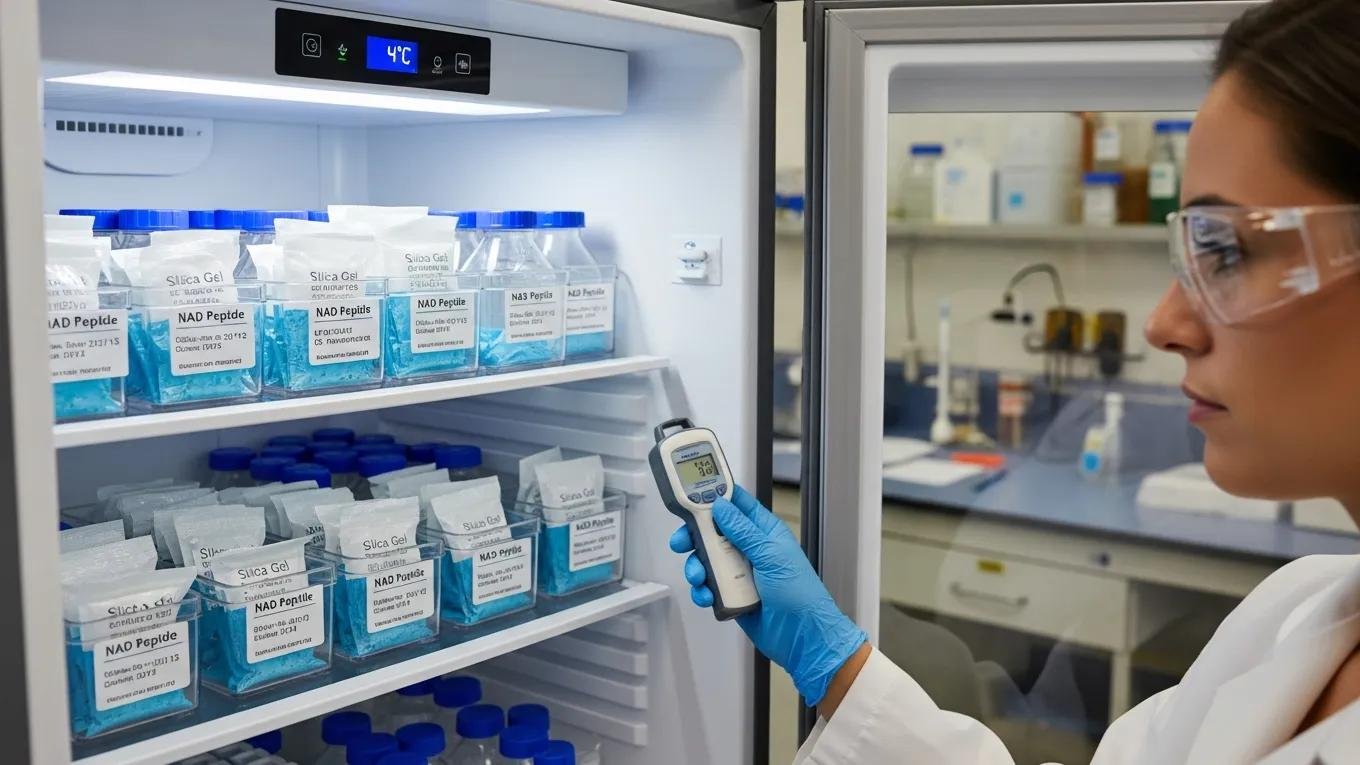
Proper handling and storage help preserve material integrity. Follow supplier storage recommendations and avoid temperature fluctuations and light exposure that can accelerate degradation.
Recommended Storage Conditions
Store NAD+ research materials cool and dry, protected from light and moisture, according to the product-specific guidance provided with the lot. Common laboratory practice for many lyophilized research reagents is frozen or refrigerated storage before reconstitution; reconstituted solutions should be handled per supplier guidance and used promptly.
Best Laboratory Practices for Handling Research Materials
Use appropriate PPE, work in a clean area, and follow institutional SOPs to minimize contamination. Maintain clear documentation for each sample, including lot numbers, storage dates, and handling notes to ensure traceability.
This table summarizes common analytical techniques used to confirm research-material quality for laboratory procurement and documentation.
Understanding NAD+ research properties and sourcing documented materials helps laboratories run experiments with greater confidence. Consistent quality control and lot documentation support reproducible results in metabolic and molecular biology studies.
Frequently Asked Questions
1. What laboratory research areas commonly reference NAD+?
NAD+ is commonly referenced in research involving redox chemistry, bioenergetics, DNA-repair enzyme pathways, sirtuin biology, and cellular senescence models. These are laboratory research contexts only.
2. Is NAD+ sold by Nextday Peptides intended for medical or consumer use?
No. Materials offered through Nextday Peptides are for laboratory research use only. They are not intended for human or animal consumption, medical treatment, therapeutic use, athletic use, or diagnostic applications.
3. What role does NAD+ play in cellular signaling research?
In research models, NAD+ participates in redox chemistry and can serve as a substrate for enzymes studied in gene-regulation and stress-response pathways. These are mechanistic laboratory topics, not treatment recommendations.
4. What quality challenges matter when sourcing NAD+ research materials?
Key considerations include confirmed identity, high purity, stability under proper storage, and lot-level documentation. Robust analytical testing and COA review help address these issues.
5. How can researchers verify the quality of NAD+ research materials?
Verify materials using HPLC and mass spectrometry data where available, and request Certificates of Analysis from suppliers. Retain lot records to support reproducible experimental use.
Disclaimer: NAD+ and related research materials described in this article are intended for laboratory research use only. They are not approved for human or animal consumption and are not intended for medical, therapeutic, diagnostic, or athletic use. Researchers should follow institutional safety protocols and applicable regulations when handling these materials. Nextday Sciences LLC operates the Nextday Peptides website and is not a compounding pharmacy.
