
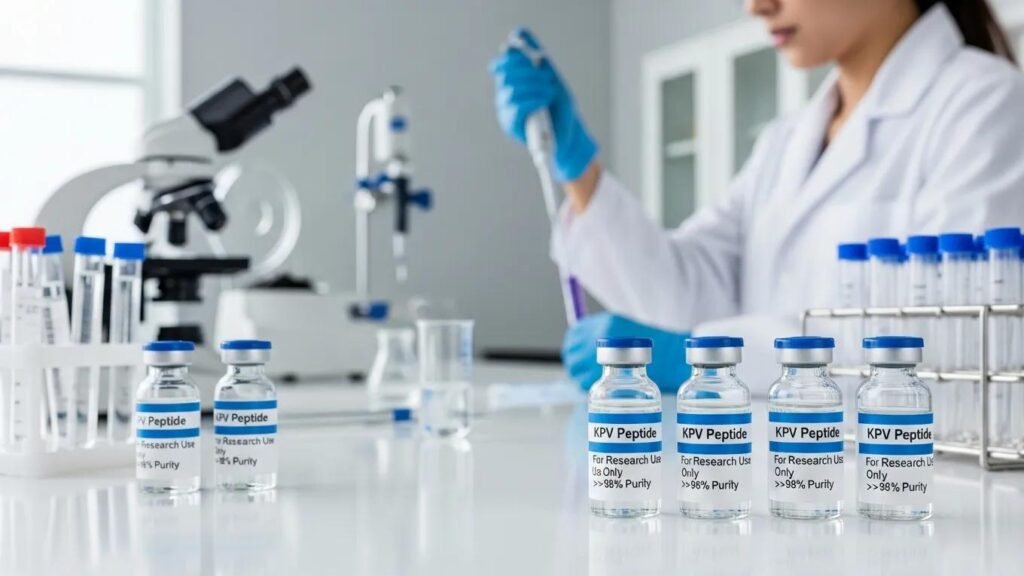
KPV Research Peptide: Laboratory Applications, Properties & Purity
KPV (lysine–proline–valine) is a synthetic tripeptide studied in inflammation signaling and cellular biology research. Understanding its chemical properties and reported mechanisms in laboratory models helps researchers evaluate it as an experimental reagent. This article summarizes common research contexts, molecular features, stability considerations, and why high-purity material matters for reproducible results. For laboratory research use only.
Key Laboratory Research Applications
KPV is referenced in research involving inflammatory signaling, epithelial biology, and cellular uptake studies. Its short sequence can be used to probe selected signaling interactions and epithelial-cell responses in controlled assays. Common laboratory research uses include:
- Inflammatory signaling models: Examining pathway modulation related to inflammatory mediators in experimental systems.
- Epithelial biology: Studying epithelial cell behavior relevant to barrier-function research.
- Cellular uptake research: Investigating peptide absorption and intracellular routing in laboratory assays involving research peptides.
These applications describe laboratory research contexts only and do not imply medical, therapeutic, or consumer use.
Molecular Properties of KPV Relevant to Research
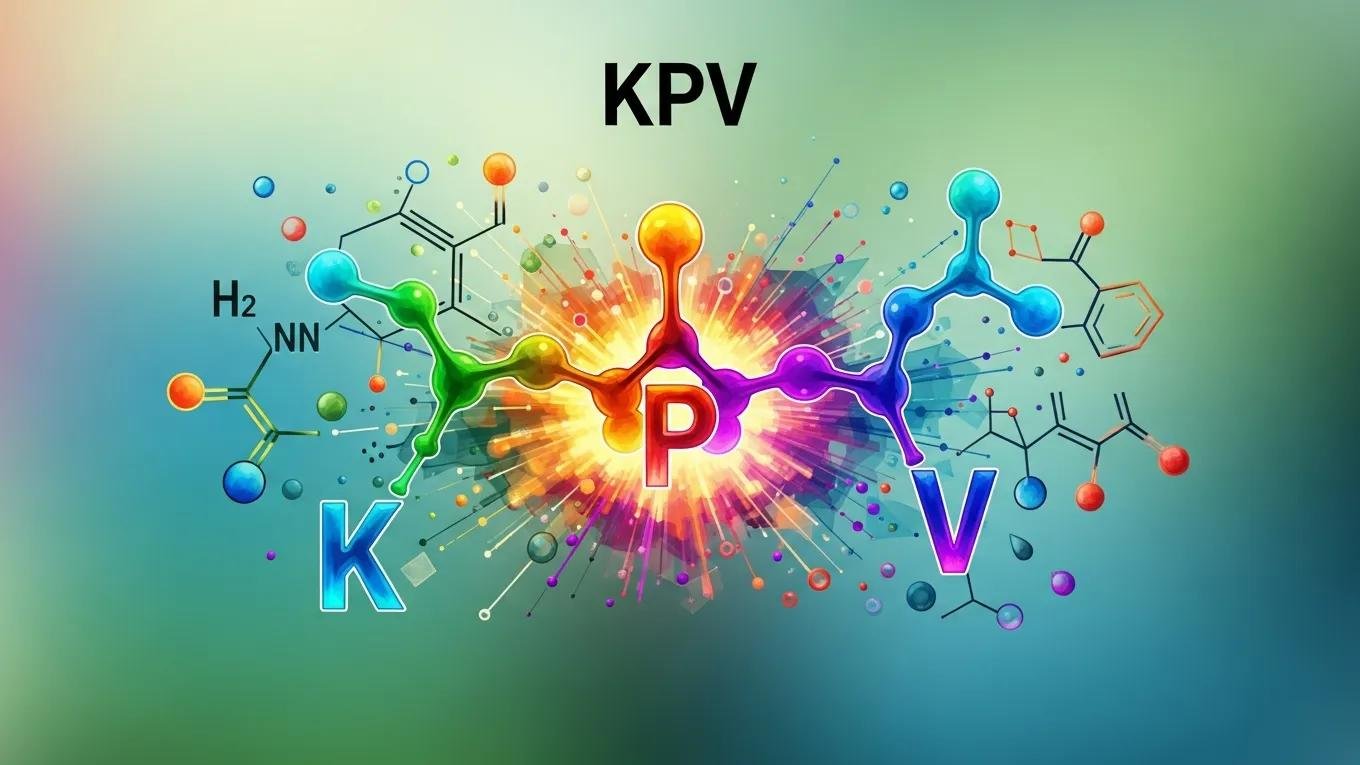
The sequence Lys–Pro–Val determines KPV’s biochemical interactions and behavior in assays. Primary identifiers include:
- Molecular Formula: C₁₇H₃₁N₅O₄
- Molecular Weight: 369.46 g/mol
- CAS Number: 67727-97-3
These properties support KPV’s use in controlled laboratory studies and biochemical experiments.
Inflammatory Signaling Research Involving KPV
Laboratory literature discusses KPV in connection with NF-κB-related signaling and cytokine-response readouts in experimental models. Some studies also examine associated tissue-biology signaling endpoints under controlled conditions. These findings are useful for mechanistic research into inflammation and resolution pathways and should not be interpreted as treatment claims.
Molecular and Chemical Characteristics
KPV’s amino acid arrangement underpins its activity in cellular assay contexts. Its small size can aid diffusion and interaction with signaling components that researchers study when mapping pathway modulation and cellular responses.
KPV is typically supplied as a white to off-white lyophilized powder. High purity, commonly verified by HPLC and COA documentation, is important for sensitive experiments. Nextday Sciences LLC, through Nextday Peptides, supplies KPV as a research-use-only laboratory material.
Stability and Storage
Store lyophilized KPV at −20°C and avoid repeated freeze–thaw cycles. After reconstitution, keep the peptide refrigerated (2–8°C) and use within the supplier-recommended timeframe to help preserve integrity.
Published Laboratory Evidence in Inflammation Models
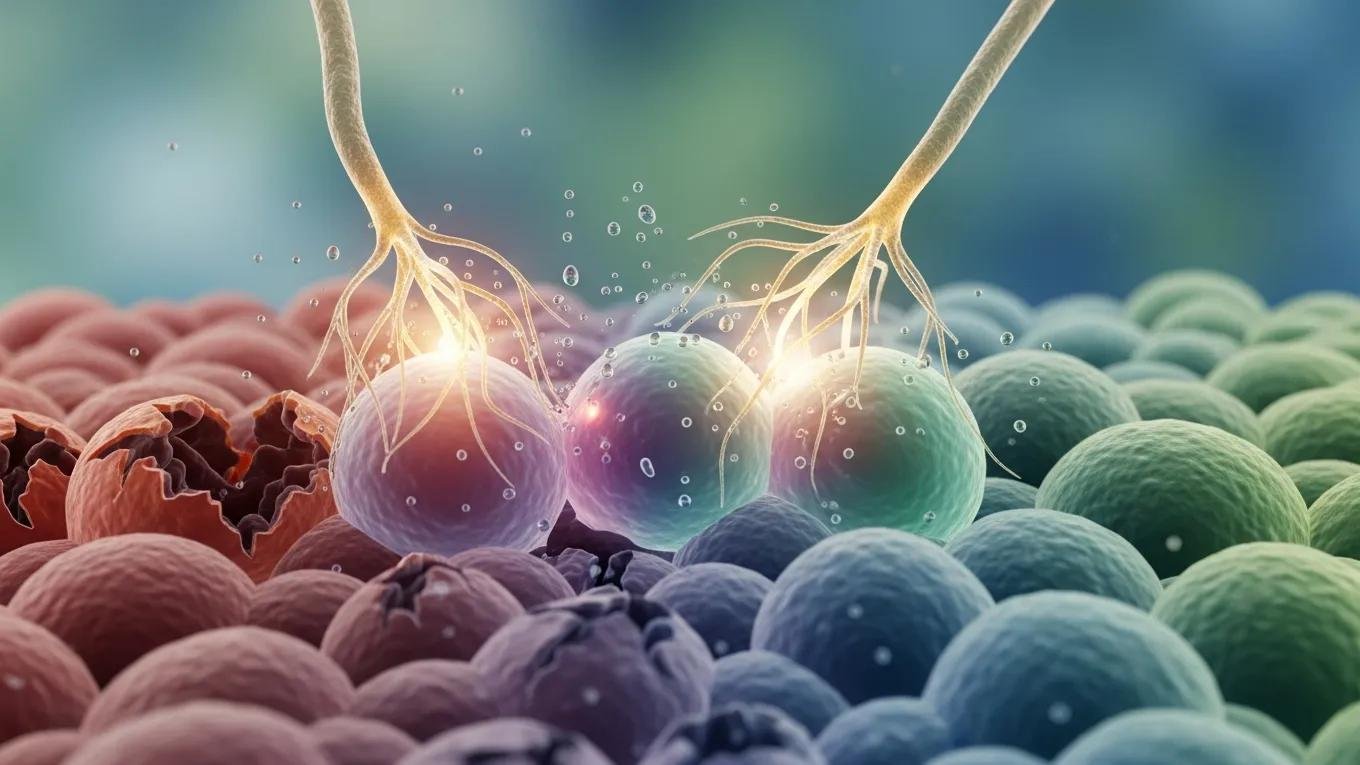
Multiple laboratory studies report that KPV can act on NF-κB and related pathways, with experimental data describing reduced pathway activation and altered cytokine profiles in research systems.
Research findings commonly discuss:
- NF-κB pathway modulation in models: Experimental reductions in activation of a central inflammatory regulator used as a research readout.
- In vitro and ex vivo assays: Controlled assays used to characterize KPV’s activity for mechanistic interpretation.
These observations support KPV’s utility as a research tool in inflammation-focused laboratory work.
Frequently Asked Questions
What is the origin of KPV, and how is it produced?
KPV is a synthetically produced tripeptide composed of lysine, proline, and valine. Chemical synthesis yields a consistent research material with defined molecular characteristics for laboratory study.
Can KPV be used in in vivo research models?
Some laboratories evaluate KPV in approved in vivo research models. Any such work requires institutional ethical approval, appropriate protocol design, and assessment of stability, delivery, and experimental endpoints. This does not imply approved veterinary or human use.
What are best practices for handling KPV in a laboratory?
Follow standard lab practices: store lyophilized material at −20°C, protect from moisture and light, minimize freeze–thaw cycles, use sterile technique for reconstitution, and record handling details to support reproducibility.
What role does KPV play in immune-response research?
KPV is used to probe inflammatory signaling and cytokine regulation in experimental systems. Studying these interactions helps map pathways relevant to inflammation biology research.
Are there specific storage requirements after reconstitution?
After reconstitution, store KPV refrigerated (2–8°C) and use within the timeframe recommended by the supplier. Label vials with the reconstitution date and monitor appearance for signs of degradation.
How does purity affect KPV research use?
High purity reduces contaminant-related artifacts and improves confidence that observed effects are attributable to KPV. Certificates of Analysis are commonly used to verify purity for sensitive assays.
Is KPV approved for human use?
No. KPV supplied through Nextday Peptides is for laboratory research use only. It is not intended for human or animal consumption, medical treatment, therapeutic use, or diagnostic applications.
In summary, KPV is a focused laboratory tool for studying inflammatory signaling, epithelial biology, and cellular uptake in controlled research settings. High-purity material and lot documentation support more reliable, reproducible experimental work.
Disclaimer: KPV peptide discussed in this article is intended for laboratory research use only. It is not approved for human or animal consumption and is not intended for medical, therapeutic, or diagnostic use. Nextday Sciences LLC operates the Nextday Peptides website and is not a compounding pharmacy.
